Justice Lords: When the Justice League Became the Threat
The Justice Lords have a terrifying sales pitch: let the heroes take charge, and nobody has to be afraid anymore. Coming from strangers, that would be easy to reject. Coming from Superman and Batman, it is a much harder thing to hear.
Introduced in the original Justice League two-parter “A Better World,” the Justice Lords are alternate versions of the team who have become authoritarian rulers. Their story asks how far the people we trust to save the world might go if they decided that saving it also meant running it.
Spoilers for both parts of “A Better World,” with discussion of the Cadmus setup in Justice League Unlimited.
Who are the Justice Lords?
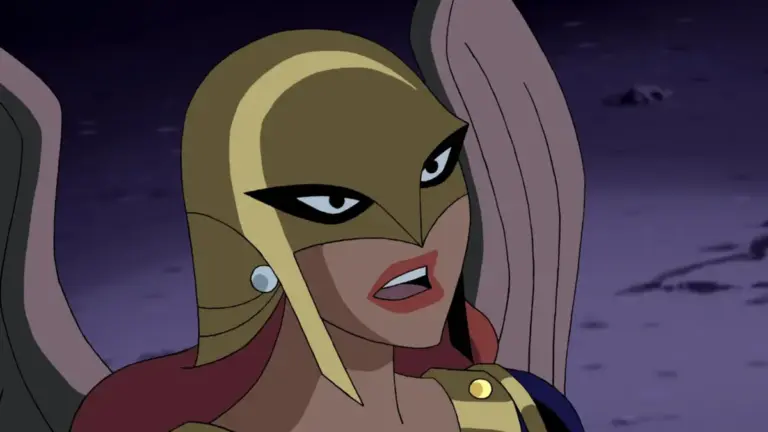
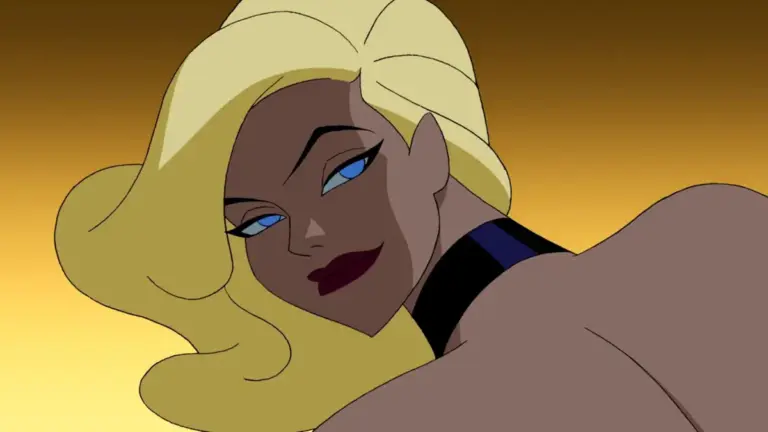
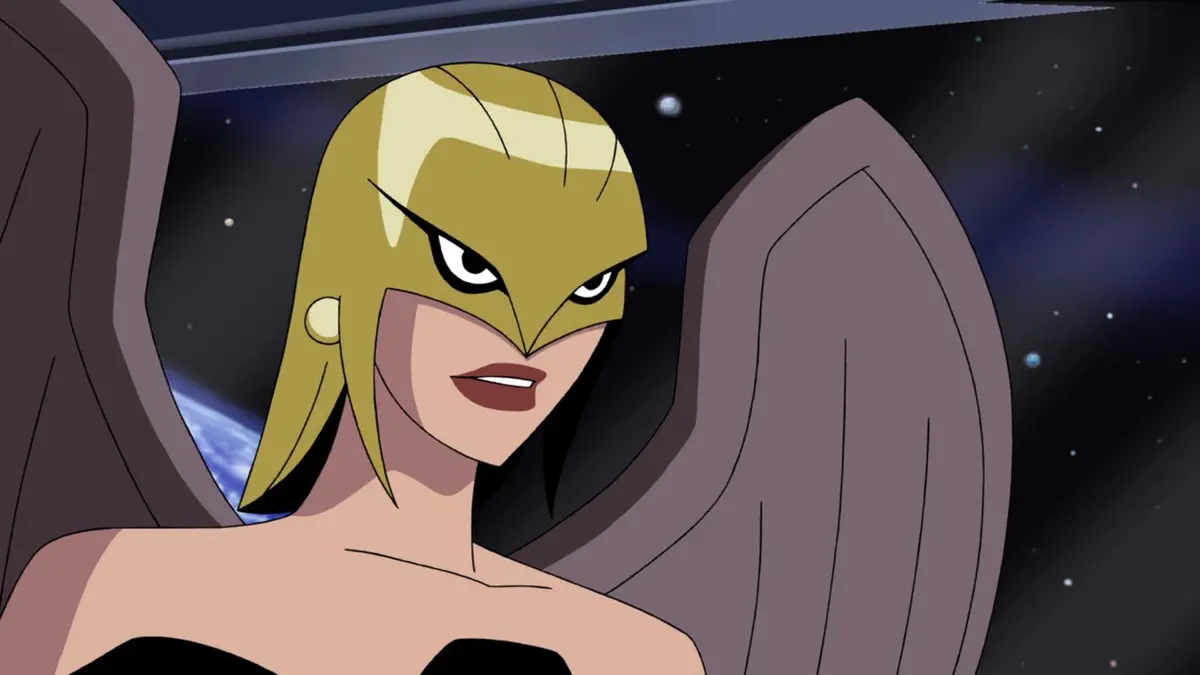
The team consists of Superman, Batman, Wonder Woman, Green Lantern John Stewart, Hawkgirl and Martian Manhunter. The missing member is the Flash: this world’s Wally West is already dead when we meet its ruling team.
“A Better World” belongs to Justice League, not Justice League Unlimited. You will find both parts in our original animated-series episode guide. JLU later builds on the fear this encounter leaves behind.
Superman’s decision changes everything
After the Flash’s death, the alternate Superman kills President Lex Luthor. Two years later, he and the other Lords rule their world. When they discover the League’s dimension, they decide to impose the same order there. The part-one episode summary traces that turn from retaliation to conquest.
What makes this Superman frightening is his certainty. He has stopped treating other people’s freedom as something he needs to protect. It has become an obstacle to getting the result he wants. The familiar shield is still there, but the people underneath it no longer get much of a say.
The argument between the two Batmen
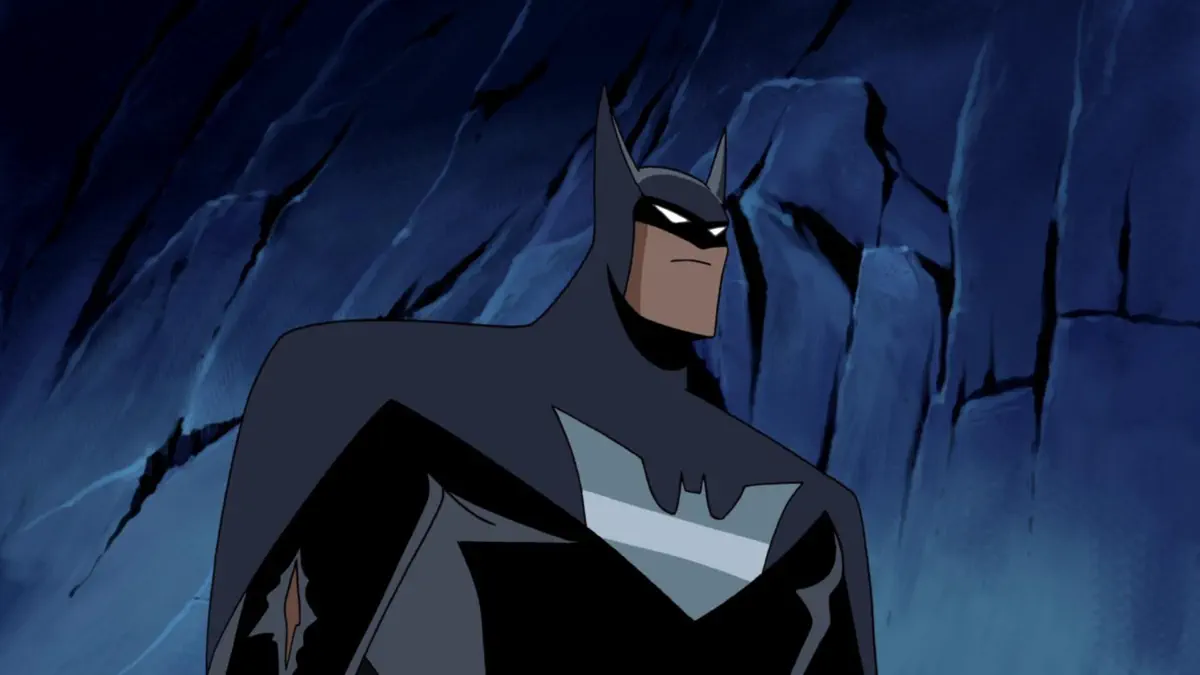
For me, the strongest scene belongs to Batman and his counterpart. Lord Batman defends taking power by pointing to the tragedy that shaped them both: he believes his methods can keep another child from losing their parents to violent crime. Our Batman understands exactly why that promise is tempting.
Then they see a man detained after complaining about his restaurant bill. That small encounter exposes the cost of the supposedly safer world. Batman brings the argument back to their parents—and whether they would actually be proud of what their son has built.
Lord Batman eventually helps the League. That matters because he began as a participant in this system, not an innocent observer. The part-two dialogue makes his change of heart a reckoning with his own choices. He has to recognize that stopping crime cannot justify every action taken in its name.
Why the Flash’s absence matters
Wally’s death is part of the Lords’ history, but the episode does more than make him a lost teammate. Our Flash helps the League escape captivity, supplying the unpredictable idea that the alternate Batman has not accounted for.
That is a lovely use of a character who can be dismissed as the funny one. His improvisation has value, and so does his presence among these very serious people. The story invites us to notice what the group loses without him. It does not excuse the survivors’ choices. Our Wally West feature follows that human side of the Flash into JLU.
How the Justice Lords connect to Cadmus
By the time JLU explores Cadmus, an authoritarian Justice League is more than an imaginary worst case. The heroes have met one. That gives the argument over their power an uncomfortable foundation: good intentions alone cannot reassure everyone.
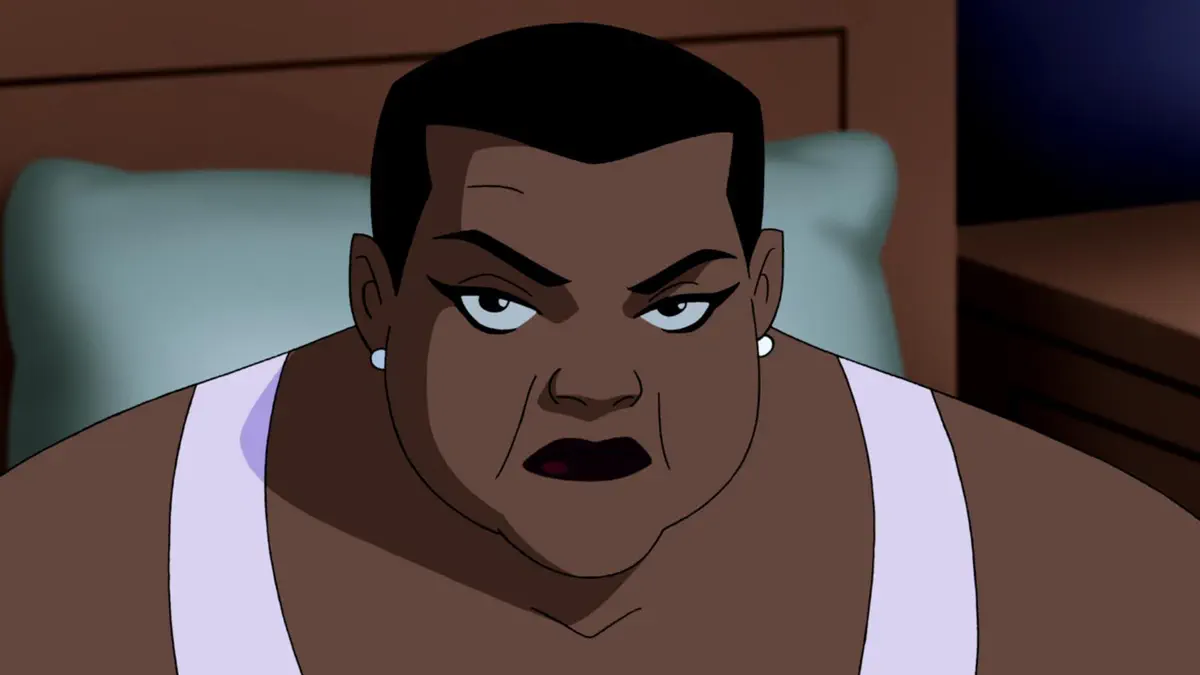
Amanda Waller wants a way to counter the League. DC’s Waller profile describes Cadmus’s effort to create superheroes the government can control. Her concern about unchecked power makes sense; the methods used to answer it deserve scrutiny of their own.
“A Better World” therefore works as more than an alternate-universe adventure. It leaves our heroes with an example they cannot comfortably wave away. For the episodes that develop this conflict, follow our Cadmus arc watch order.
The Mattel Justice Lords figures
Mattel brought the alternate costumes into its JLU toy line, including a three-pack of Justice Lord Superman, Batman and Wonder Woman. Superman’s white-and-black uniform is the easiest visual cue. A listing that only says “Superman, Batman and Wonder Woman” can refer to a different set, so check the actual figures before buying.
Affiliate disclosure: JLU may earn a commission if you buy through the eBay link below, at no extra cost to you.
Look for Mattel Justice Lords figures on eBay. This opens a search, not a recommendation of a particular seller. Compare the costumes, condition and included figures; a loose bundle may not reproduce an original retail pack.
The appeal of this team goes beyond the alternate suits. “A Better World” asks Batman and Superman to look at people who made different choices using familiar motives. The hardest opponent in the room is someone who can explain exactly why they think they are you.
Episode references: “A Better World,” part 1 and part 2. Figure identification checked against this photographed Mattel three-pack. Analysis and interpretation are our own. Series imagery © DC / Warner Bros.